



WEST PALM BEACH, Fla. — The South Florida Water Management District has issued an emergency order allowing certain pumping and water-management measures as communities contend with saturated ground and the threat of additional heavy rainfall.
The emergency final order, signed by Executive Director Drew Bartlett, is intended to help address flooding caused by the heavy rainfall that has hit portions of Florida beginning Oct. 31. The district said some impacted areas received more than 10 inches of rain in 36 hours, causing widespread flooding and leaving standing water and saturated ground.
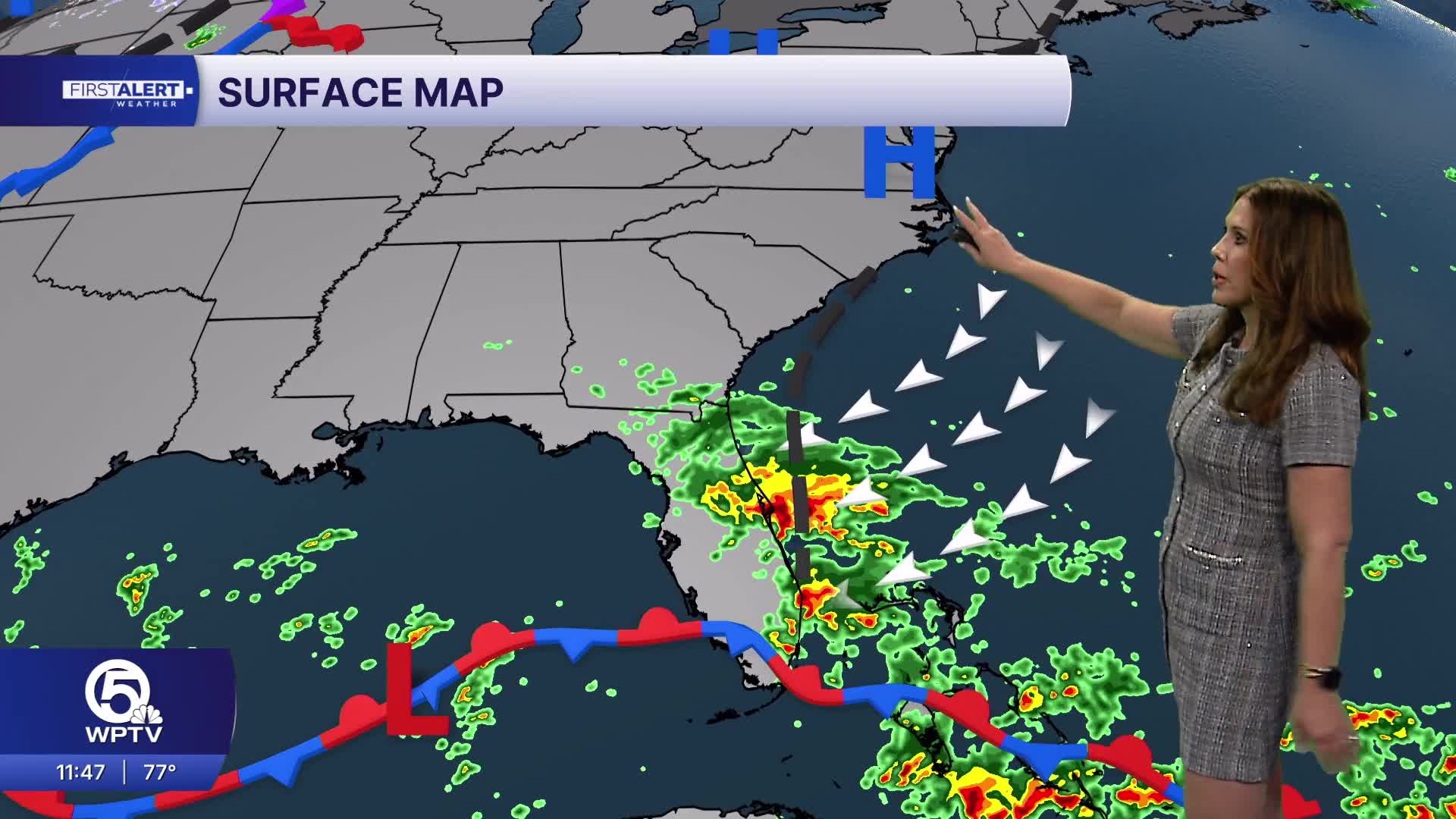
The order comes as additional localized heavy rain threatens areas already hit hard by flooding. The district said those conditions create an "imminent threat" of additional significant flooding and damage to life and property.
The emergency action stems from state-of-emergency declarations issued by Gov. Ron DeSantis on Nov. 2 and Nov. 4 in response to the flooding.
Under the order, water can be moved from flooded portions of a property, including roadways, parking lots and swales, to ponds, lakes or other areas on the same property without notifying the district, as long as the water is not being discharged off-site.
Moving floodwater off-site requires more oversight. The district must approve such discharges after a field inspection, and the flooding must pose an immediate threat to public health, safety or welfare. The order specifically says minor flooding, such as standing water in roads, swales or yards, does not qualify as an immediate threat.
Local governments and water control districts can also receive authorization to discharge water beyond their normal district-permitted operating schedules to prepare for or reduce flooding. They must notify the district's Emergency Operations Center and receive authorization from district staff.
The district said all emergency activities must be carried out in ways that minimize impacts to water quality and quantity. Those carrying out pumping or discharges must also correct any erosion, sediment or water-quality problems resulting from the work.
The order temporarily suspends certain permitting and notice requirements when necessary for the specifically authorized emergency activities. However, it does not eliminate requirements imposed by other federal, state or local agencies.
The emergency order took effect immediately upon its execution and is scheduled to expire Jan. 1, 2027, unless it is extended or ended earlier by the district's executive director or Governing Board.
Read the full emergency order below:


