



PALM BEACH COUNTY, Fla. — Tri-Rail is modernizing its fleet, but it will take a few years before commuters see the benefits.
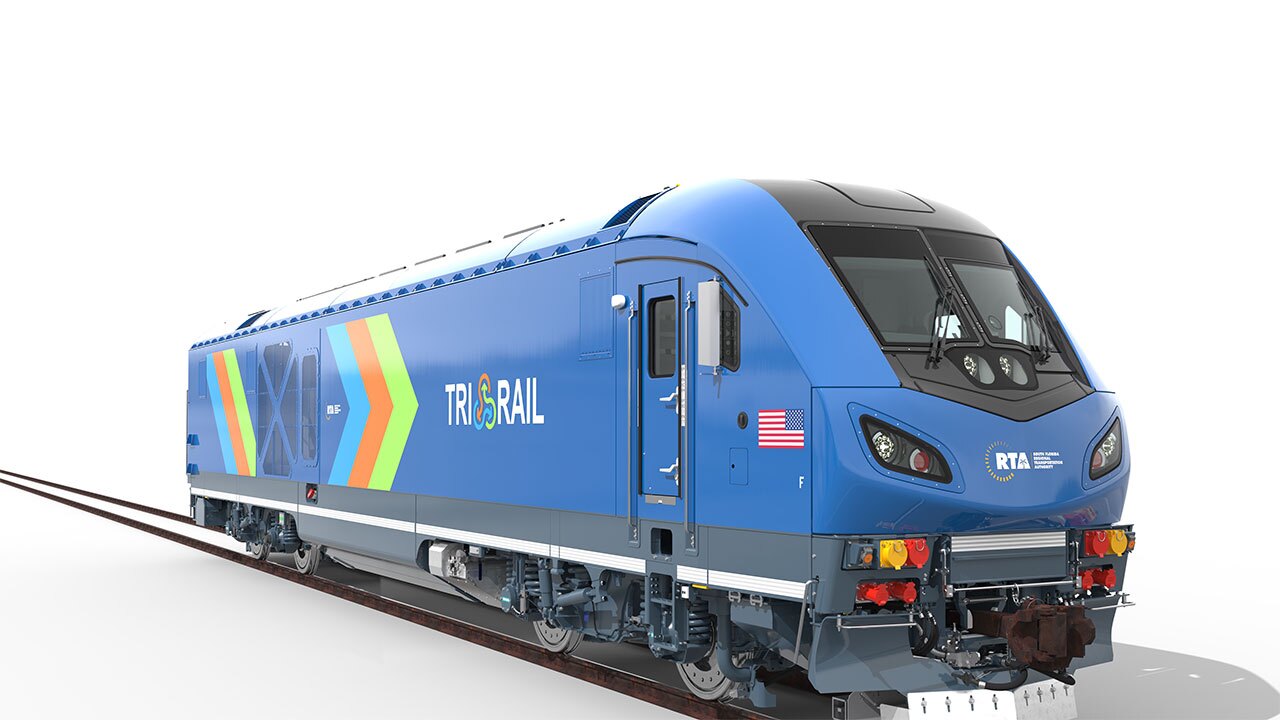
The South Florida Regional Transportation Authority (SFRTA), the agency that operates the Tri-Rail commuter rail service in Broward, Miami-Dade and Palm Beach counties, announced Tuesday it has ordered seven new Charger diesel-electric locomotives built by Siemens Mobility.
SFRTA said the locomotives are expected to be ready and in service by 2029.
"On behalf of the entire Siemens Mobility team, we are honored that SFRTA has chosen our American-made technology to power Tri‑Rail's next chapter," said Tobias Bauer, the CEO of Siemens Mobility North America. "With our Charger locomotives, riders will benefit from modern performance and improved access, including service into MiamiCentral."
SFRTA said that with the addition of the seven new locomotives, Tri-Rail will enhance its current aging fleet, introducing equipment designed to enhance the passenger experience with modern features while improving the reliability of daily service.
According to the agency, the new locomotives are also equipped to provide service into MiamiCentral, which requires rail equipment that meets specific operational and compliance requirements to access the station.
"These new locomotives represent a major step forward in modernizing Tri-Rail's fleet and strengthening the reliability of our service for the riders who depend on us every day," said Dave Dech, executive director of SFRTA. "This investment supports our long-term vision for safer, more efficient commuter rail system, and positions Tri-Rail for continued growth."
Officials said these new locomotives will replace SFRTA's aging fleet of six EMD GP49 units, enabling Tri-Rail to retire older equipment.
"Operating along the 73.5-mile corridor linking Miami, Fort Lauderdale, and West Palm Beach, as well as the additional 8-mile stretch on the Florida East Coast (FEC) Corridor to access MiamiCentral, the Charger locomotives will provide modern, high-end performance to keep South Floridians moving and connected," SFRTA said in a statement.
We are modernizing our service with the purchase
— Tri-Rail (@Tri_Rail) January 20, 2026
of seven @SiemensMobility Charger diesel-electric locomotives!🚆
"This investment supports our long-term vision for a safer, more efficient commuter rail system." — Dave Dech, SFRTA Executive Director.
📰: https://t.co/SouDYpq4LG pic.twitter.com/1ADBv0paZJ
The new locomotives were funded through the Federal Transit Administration. SFRTA said these diesel-electric locomotives have the lowest emissions in North America and will be built at the Siemens Mobility rail manufacturing hub in Sacramento, California.
Tri-Rail has made headlines recently as it navigates funding problems, with estimates that it could run out of money in two years.
For the last three years, Tri-Rail ridership has increased from 3.7 million riders in 2023 to 4.5 million riders in 2025.
Last October, WPTV's Dave Bohman reported that South Florida could see dozens of large developments spring up around Tri-Rail stations between West Palm Beach and Miami as the region embraces a new urban planning concept called the "15-minute city."
Read more of WPTV's coverage on Tri-Rail below:

Travel
Future of Tri-Rail remains uncertain despite increase in ridership

WPTV Investigates
Tri-Rail could anchor dozens of '15-minute city' projects

Travel
South Florida counties push back against state cuts to Tri-Rail

WPTV Investigates
