



Two high-profile animal hoarding cases in Martin County this summer — and a third in Palm Beach County — have prompted questions about whether more can be done to prevent animal neglect before it reaches a crisis point. The answers, experts say, are not simple.
On July 20, Martin County deputies rescued more than 100 cats and dogs from a house near Hobe Sound.
"This is the worst animal hoarding case that I've seen," Martin County Sheriff John Budensiek said at the scene.
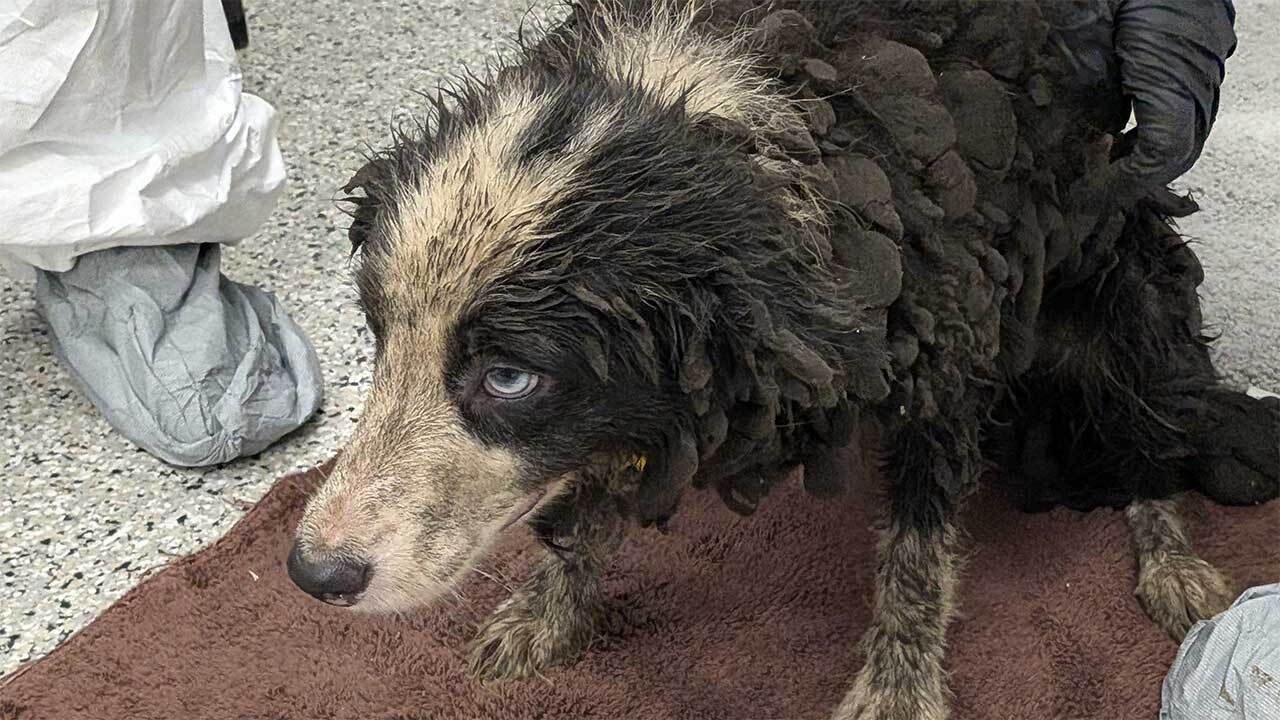
Exactly three weeks later, on Aug. 10, the same group of deputies rescued 36 border collies from a Palm City house piled with feces and rot. The Humane Society of the Treasure Coast, which was still handling rescue efforts of the previous case, then said this was the worst hoarding case they'd ever seen.
On Sept. 16, Palm Beach County Sheriff's deputies, serving an unrelated arrest warrant near Lantana, rescued 13 dogs from another feces-filled home. According to the affidavit, seven of the dogs were confined inside 2 cages.
Cesar Perea, vice president of the American Humane Society, said cases like these are not unusual.
"Unfortunately, it's really common throughout the country to see this level of neglect going on," Perea said.
When asked why it is so common, Perea pointed to intent gone wrong.
"It's typically well-intentioned, whether it's a breeding operation or a rescue operation that just eventually just goes wrong," Perea said.
The American Humane Society monitors cases like these across the U.S. and assists law enforcement and local animal rescues when called upon. Perea said he does not believe the number of cases is necessarily growing — but that public awareness is.
"I don't know if it's so much these cases are increasing. I think a lot of it has to do with awareness. I think with social media and people being involved, I think we're experiencing like a renaissance of people just not standing for it," Perea said.
That shift in public attitude is reaching lawmakers, according to Kate MacFall, the Florida state director for Humane World for Animals. MacFall works in Tallahassee, where her job is to help shape Florida's animal welfare policy.
"Our legislators are filing more animal bills," MacFall said. "We've done a lot of really good things in recent years, but there's a lot of work to be done."
But preventing hoarding cases specifically is more complicated.
"It's a bigger picture question," MacFall said.
A major obstacle is the Fourth Amendment's protection against unreasonable searches and seizures. Budensiek addressed the limitation when initially asked about the Border Collie case, after a neighbor raised concerns about the dogs at a WPTV Let's Hear It community meet-up.
"There's laws and case law that say you can go this far and you can go no further unless you have probable cause," Budensiek said.
That constitutional boundary makes the problem difficult to address through legislation alone.
"A lot of times with legislation you create unintended consequences, so you have to be really careful," Perea said.
For now, advocates say individual action remains the most effective tool.
"If you see something, say something. I mean, that's for a reason," MacFall said.
Some policy efforts are in the works. State Rep. Meg Weinberger, R-Palm Beach Gardens, has expressed interest in a mandatory breeder registry. In Palm Beach County, commissioners are expected to consider higher fees and mandatory inspections for hobby breeders later this fall.
This story was reported on-air by a journalist and has been converted to this platform with the assistance of AI. Our editorial team verifies all reporting on all platforms for fairness and accuracy.