

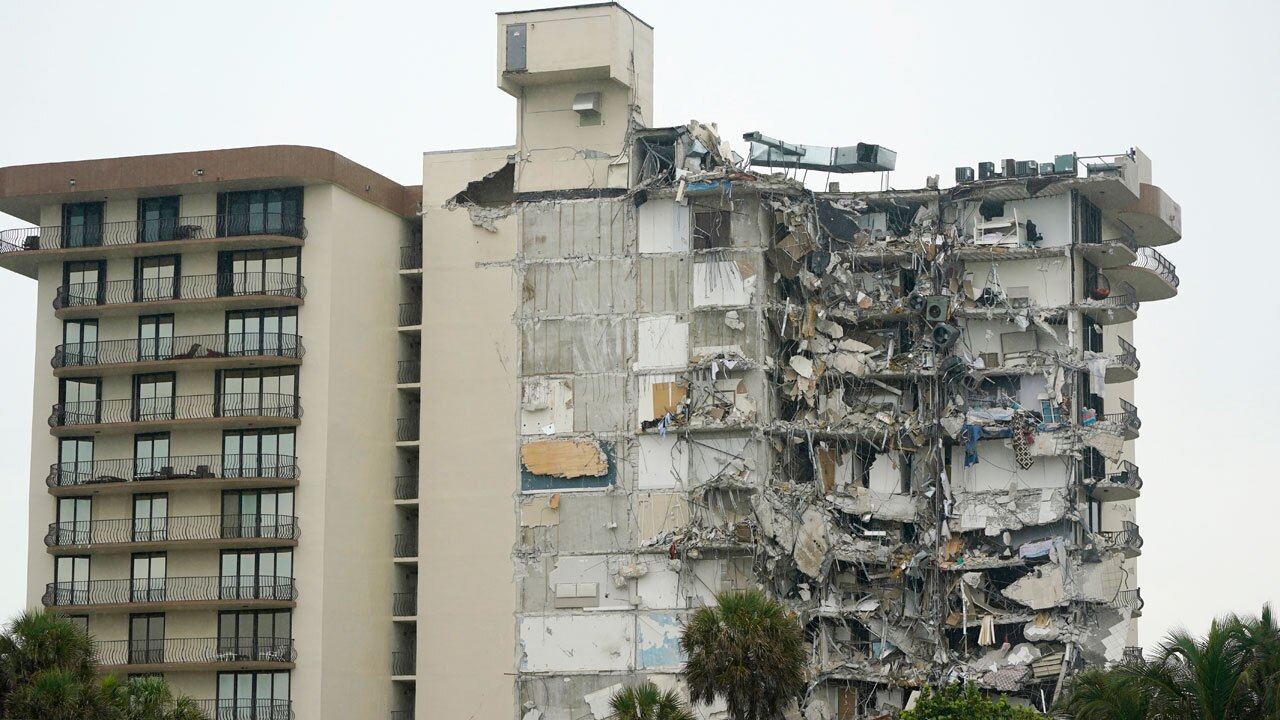


SURFSIDE, Fla. — June 24, 2021
Five years ago, just after 1 a.m., the 12-story oceanside condominium known as Champlain Towers South crumbled to the ground in Surfside, Florida, killing 98 people who were moms, dads and children.
WATCH BELOW: What's changed 5 years after Surfside condo collapse?
Read our coverage from the aftermath below:
- Did Surfside fail to protect residents from 'major structural damage?'
- Engineering report showed 'major structural damage' before Surfside condo collapse
- 'I didn't see anything alarming,' engineer who visited Surfside condo last year recounts
- Surfside condo's history of issues, concerns grow
What's changed since the deadly disaster?
Five years later, there is no permanent memorial on the site to honor those lost. A new luxury condominium is being built in its place, fueling debate.
Families of the victims have long settled a complicated billion-dollar civil lawsuit, and long-awaited answers into what caused the overnight collapse are finally coming to light.
Federal investigators reveal problems started weeks before collapse
In a technical report released on Monday, federal investigators from the National Institute of Standards and Technology concluded the problem started three weeks before the collapse, when two connectors between garage columns and the pool deck failed, causing cracks to grow and loads to move to columns not strong enough to support them.
Investigators traced the cause to two factors: "severe and widespread deviations in the building's original structural design and standards of the day" and "deviations in the building's construction from the design drawings,” according to the findings.
Federal investigators are now writing their final report and will include their recommendations for changes to standards, codes and practices to improve building safety.
Deadly disaster prompts controversial condo reform
The catastrophic and historic failure exposed Florida's long history of lax building oversight.
State lawmakers swiftly passed a series of new laws, including more stringent building regulations and mandates for structural inspections. Condominiums in the state are also now required to maintain a minimum level of reserve funding for structural upkeep.
The changes haven't come without controversy. Higher HOA fees and assessments compelled many to leave condo living, forcing lawmakers to make additional adjustments to ease the financial burden.
Five years later, what happened in those overnight hours left a permanent mark on a state where living up is a way of life — and a reason building safety is likely to remain a top priority.