

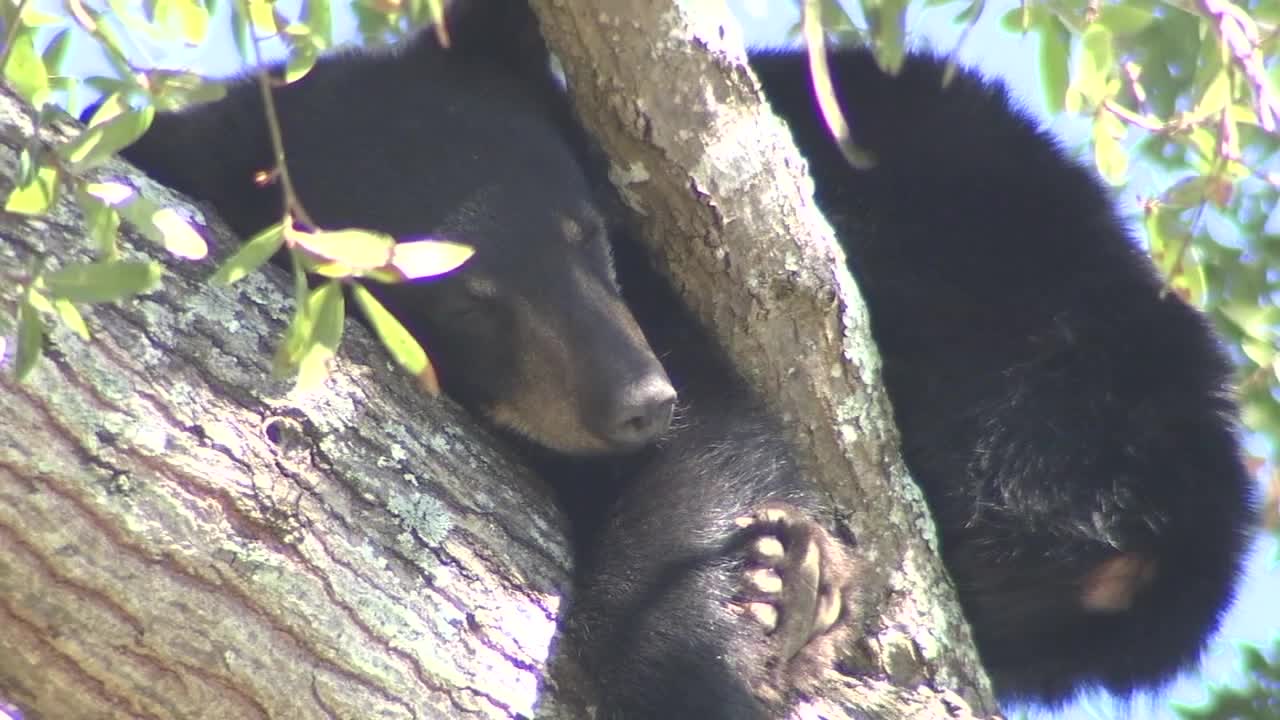


TALLAHASSEE, Fla. — Florida’s first statewide black bear hunt in a decade is now more than a week underway, drawing intensifying criticism from conservation groups even as state wildlife officials defend the season as a science-based management tool.
The hunt opened Dec. 6 after a Leon County judge denied an emergency injunction that would have stopped it. The Florida Fish and Wildlife Conservation Commission (FWC) approved 172 permits, arguing the limited hunt is needed to manage a growing bear population that has increasingly come into contact with people in some parts of the state. Before a unanimous vote in August, commissioners said agency biologists were confident the hunt would be sustainable.
“If the facts weren't there to present this with options, you would not be presenting us with an option of hunting if it wasn't there, correct?” asked FWC Commissioner Rodney Barreto in August.
“We’re very confident in the sustainability of this hunt,” George Warthen, FWC Chief Conservation Officer, responded.
WATCH: Backlash grows over Florida bear hunt as kill numbers remain unreleased
But groups monitoring the season say they have been shut out of basic information. Speak Up For Wildlife is calling on FWC Executive Director Roger Young to halt the hunt, alleging widespread poaching beyond permitted limits and inadequate enforcement.
The group says it has filed multiple public-records requests seeking details such as how many bears have been killed, where they were taken, and whether females or cubs were involved. Their requests, it says, have gone unanswered.
"We're totally in the dark— totally in the dark,” said Chuck O’Neal, President of Speak Up For Wildlife. “The FWC is stonewalling us. We make public records requests. They're not answering the public records request. They're not speaking to us about the reports of poaching that we have sent to them.”
FWC has not released updated harvest numbers during the hunt. When asked for current figures, the agency told reporters to submit a public-records request, which has not yet been returned.
At the same time, the legal challenge to the hunt is moving forward. Bear Warriors United, which sued to block the season, says the broader case will continue into 2026, despite the hunt being allowed to proceed this year.
“We’re arguing that their actions are arbitrary and capricious, not based on sound science— or any science whatsoever,” said Raquel Levy, Attorney for Plaintiffs.
FWC and hunting advocates counter that Florida voters approved a constitutional right to hunt last year. They’ve said regulated hunting remains a legitimate wildlife-management tool.
“I think it's very clear that we are doing the humane thing,” said Luke Hilgemann, the CEO International Order of T. Roosevelt. “Florida Wildlife Commission has the biologists, the experts, the science behind it, to say that it's time for us to responsibly manage Florida's bear population.”
For now, the hunt remains active and is scheduled to continue until quotas are met or the season closes. Both supporters and opponents say the outcome of the legal fight, and the state’s handling of the hunt, could shape the future of black bear management in Florida for years to come.
Share Your Story with Forrest
Capitol Reporter Forrest Saunders is dedicated to sharing your voice with political leaders throughout the state. He works to hold our elected leaders accountable and amplify your concerns. Let Forrest know about the issues you want state leaders to focus on.
.

Bradenton community responds after 20-year-old volleyball star dies from disease that affects 2 in a million
The 20-year-old IMG Academy volleyball star and Under Armour All-American died Sept. 16 after a three-month battle with the rare blood disorder — even though doctors had found her a 100% bone marrow match, her mother, Tanya Mack tells Tampa Bay 28 reporter Haley Zarcone.
