



OKEECHOBEE, Fla. — After the recent freeze and extreme drought conditions, an Okeechobee ranch with deep ties to Palm Beach County has been forced to adapt in order to keep its cattle operation running.
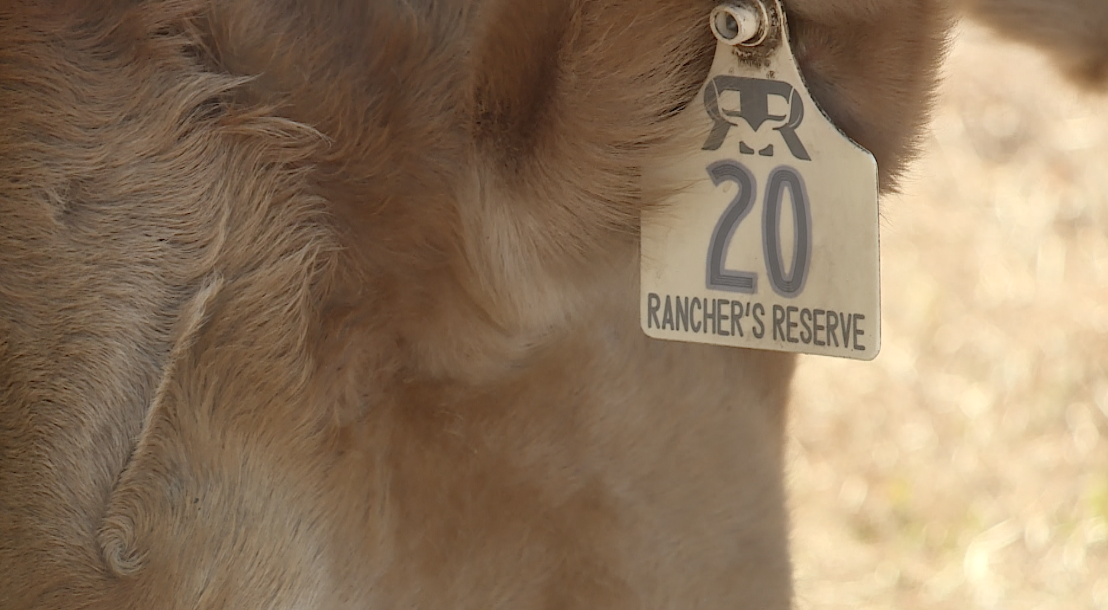
At Rancher's Reserve, brown pastures stretch for miles as dry conditions and frost-damaged grass limit natural grazing.
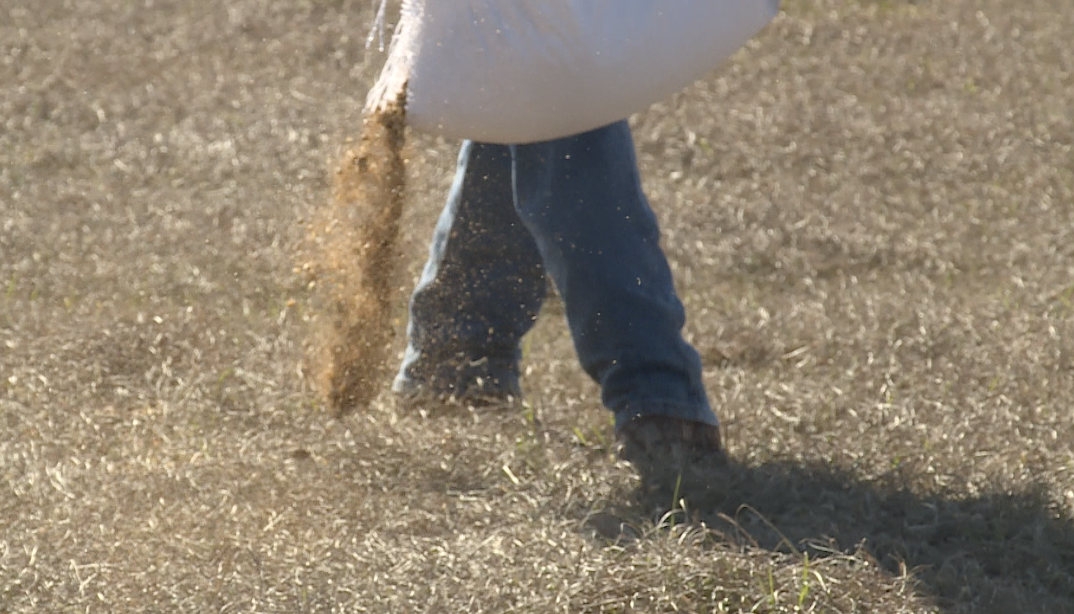
For the first time, the ranch is supplementing feed — turning to citrus pulp from nearby groves, a local byproduct that provides high-energy nutrition for the herd.
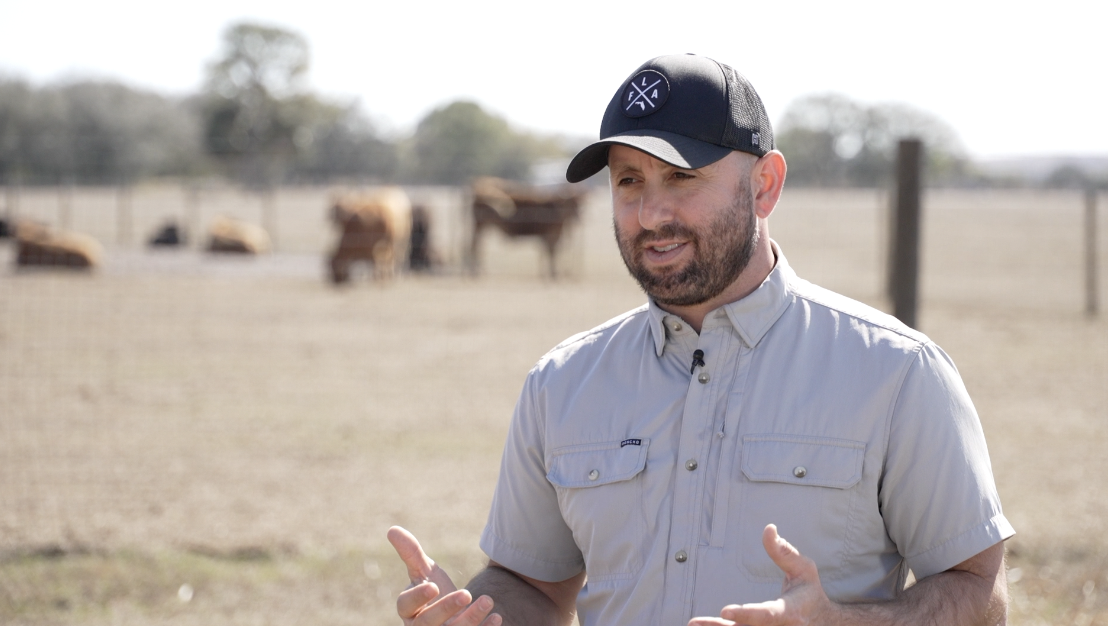
“With ranching, it’s patience — it’s adapting, not reacting,” said Nicholas Scalisi of Rancher's Reserve.
WATCH:
Citrus groves have long supplied pulp to feed cattle during dry months, but this year the ranch is relying on it more than ever. By using locally sourced citrus pulp, the ranch can maintain herd energy while supporting Florida’s broader agricultural community.
“This was the first year we had to supplement food," Scalisi said. "Food is expensive, so there’s three months of feed that cuts into your margins — but it’s the long view here."

The added feed comes at a cost, cutting into already thin margins during an extended dry period following the freeze.
Rancher's Reserve controls its product from pasture to plate, supplying beef directly to its West Palm Beach restaurants — Fern Steak House and the Steak Shop — with a new concept, Rueshaw, set to open soon.
That vertical business model, combined with the partnership with local citrus groves, is helping stabilize the operation during challenging conditions.
“We’re lucky because we have the restaurant and steak shop.... We have other streams of revenue that right now are supporting the ranch." Scalisi said. "But last year, this ranch was the revenue supporter of those."
For now, the ranch is conserving resources, adapting operations, and planning long-term while waiting for rainfall and warmer temperatures to restore the land.
