

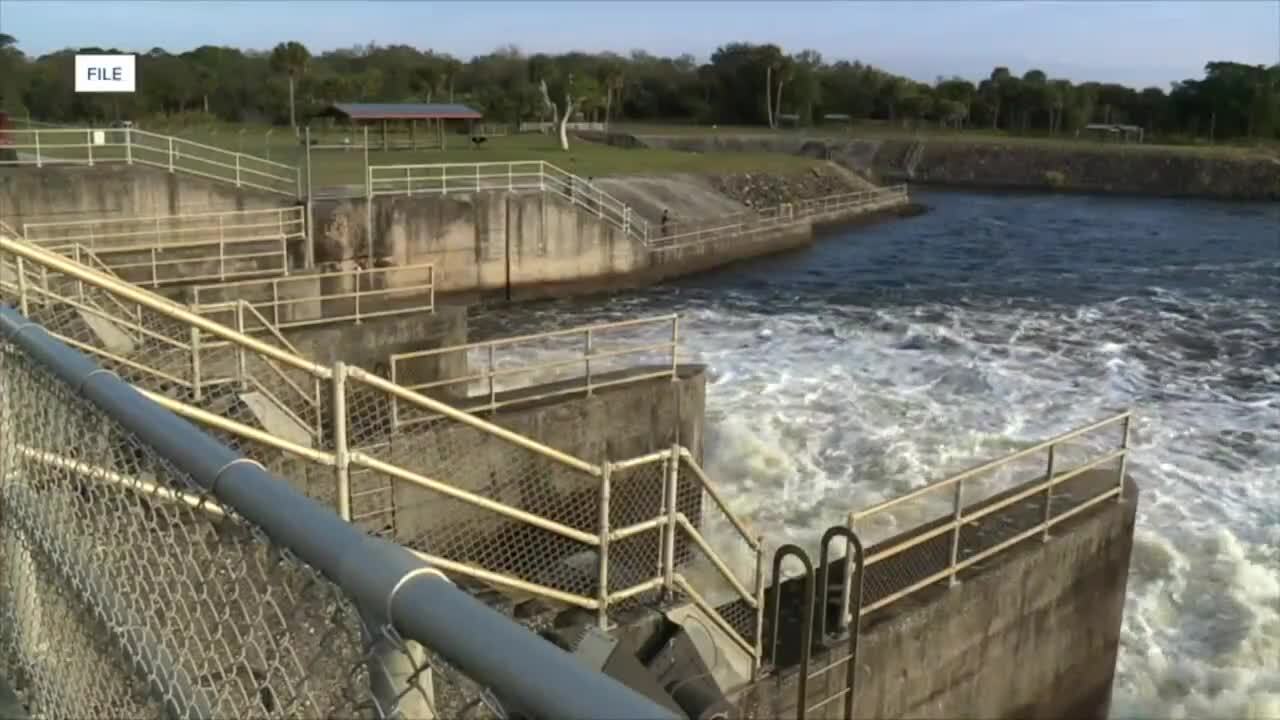


STUART, Fla. — A new project on the Treasure Coast aims to clean polluted water before it flows into the St. Lucie River. Residents and experts say they welcome the government’s increased efforts to protect water quality and the community’s future.
Troy Smith, a Stuart resident, described the local waterways as a key part of the area’s appeal.
WATCH WPTV'S COVERAGE BELOW:
“All the waterfront dining that you have here, all the boating, all the recreation—that’s why people come here. That’s why they live here,” Smith said.
Over time, harmful discharges from Lake Okeechobee have affected the local ecosystem.
“When they dump out of Okeechobee, the river’s been really, really nasty and then of course, we’ve got this bacteria in the water. We get the caking and the smell,” Smith added.
The South Florida Water Management District is addressing the issue with a project designed to divert polluted freshwater through a system that removes harmful chemicals.
“Literally tons of nitrogen and phosphorus, which are the two big pollutants to the system would get treated through this diversion canal and into the storm water treatment area,” said Mark Perry, executive director and CEO of the Florida Oceanographic Society.
The project is part of the Indian River Lagoon South Plan. Crews are constructing a canal linking the C-23 Canal to the C-44 Reservoir and Stormwater Treatment Area, where the water will be cleaned. The water management district says the project will improve water quality in the St. Lucie estuary and help restore a more natural water flow.
The $52 million project is expected to be completed this year.
Perry noted the investment comes with high costs.
“Cons are that it’s an expensive process, it’s a big centralized kind of treatment system,” he said.
Despite the challenges, Perry emphasized the importance of removing pollutants before they reach the estuary.
“Every ton of phosphorus, every ton of nitrogen is so important to take out before it gets to the system because we need to stop that pollution at the source of the problem rather than into the estuary,” he said.
Residents like Smith said they fully support the initiative.
“I think that’s fantastic. We’ve got to invest in our community,” he said.
Portions of this story were assisted by artificial intelligence tools and reviewed by a WPTV journalist to ensure accuracy, clarity, and adherence to editorial standards.
