

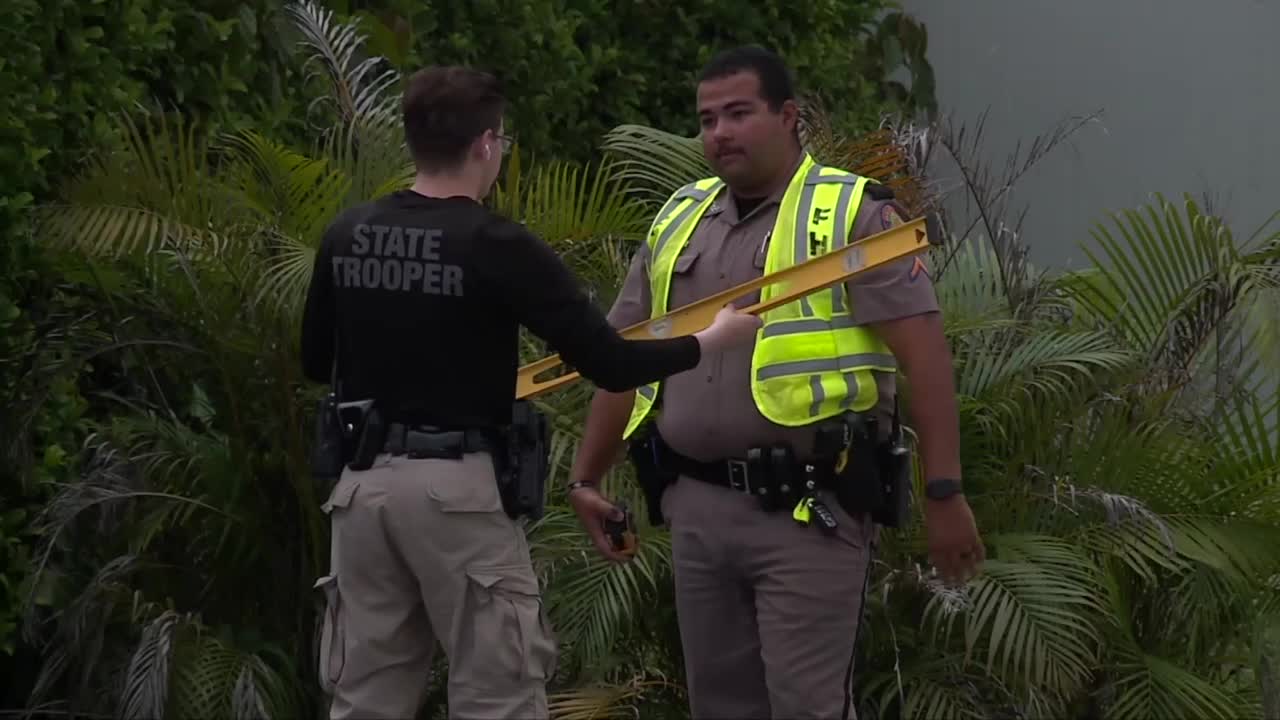


PALM BEACH COUNTY, Fla. — The Florida Highway Patrol is set to equip its troopers with body-worn cameras for the first time, a major technological shift for the agency which has historically relied on dash cameras and microphones. The rollout will begin with select troopers as the agency finalizes its rules and guidelines for the new equipment.
The move comes as FHP's role continues to evolve beyond state highways, with troopers increasingly involved in operations from spring break enforcement to assisting with federal immigration efforts. Both the troopers' union and legal experts see the adoption of body cameras as a crucial tool for modern policing.
An evolution in technology
According to the FHP's police union chapter, the decision was driven by the need to update aging technology, not a legislative mandate.
"The contract with their tech was coming up," said William Smith, president of the union's FHP chapter. "No legislator... said we had to have it because of immigration or anything else. It's just the direction the patrol had to go in."
Smith believes the cameras will benefit everyone involved in a traffic stop or other encounter, and hopes it will show the public the expanding scope of a trooper's duties.
"It protects the civilian that we stop, or the detainee for immigration, or whatever," Smith said. "Maybe the body camera will bring things to light that we do do, and people can see that we are tasked to do a lot of things that back when I was hired we weren't tasked to do."
'Video does not lie'
Legal experts agree that the new technology is a win for accountability and evidence.
"People lie, but video does not," said Dave Aronberg, a defense attorney and former Palm Beach County State Attorney. "Law enforcement can protect themselves against false accusations by the individual. And it's also good for defense lawyers and prosecutors because there's no better evidence than the video itself."
Aronberg stressed that the policies governing the use of the cameras will be just as important as the devices themselves.
"It is important that there's a policy that requires the use of these cameras as much as possible," he said. "And that'll give the public more confidence, and also it protects the trooper."
This story was reported on-air by a journalist and has been converted to this platform with the assistance of AI. Our editorial team verifies all reporting on all platforms for fairness and accuracy.
