

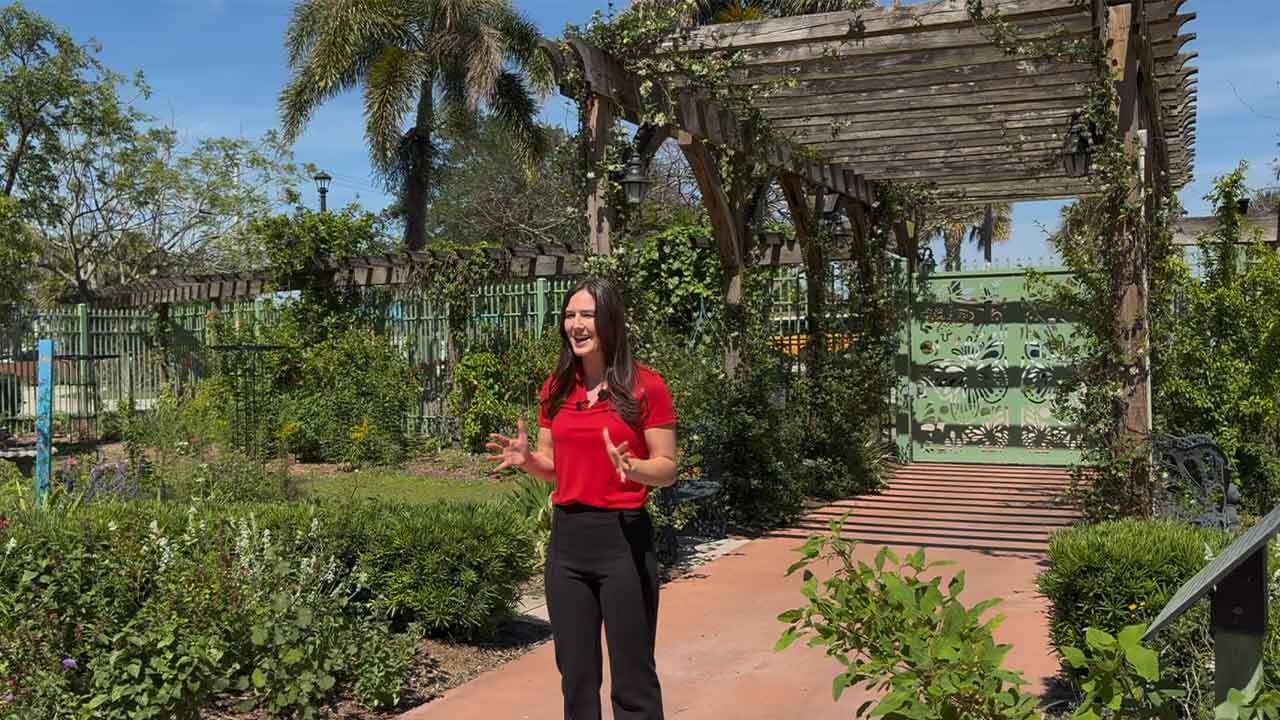


PORT ST. LUCIE, Fla. — The WPTV First Alert Weather Team was at the Port St. Lucie Botanical Gardens for the second stop of the "Storm Ready" Hurricane Preparedness Tour.
WPTV meteorologist Sami Squires shared tips on how to prepare for a storm, insure your home, what to do after a storm, and other safety tips ahead of hurricane season, which starts June 1.
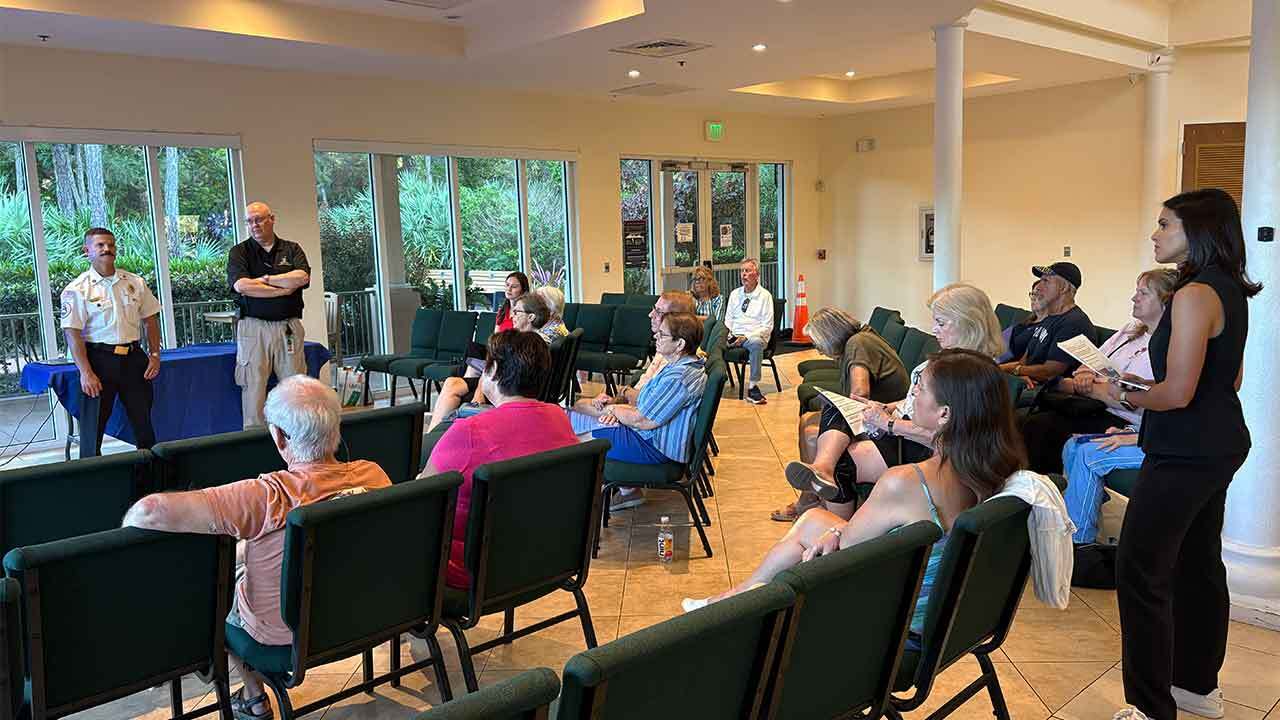
WPTV anchor Janny Rodriguez emceed the event and led a Q&A following the presentation.
Attendees also learned how to become a WPTV weather spotter, helping WPTV be the eyes and ears of the community.
If you could not make tonight's event, or it was too far from home, check out the four upcoming tour stops.
Hurricane hazards
Squires outlined the primary hurricane hazards residents should be aware of: storm surge, flooding, wind damage, and tornadoes.
She pointed to Hurricane Milton as an example of how quickly conditions can escalate. Milton made landfall on the Gulf Coast and went from a tropical storm to a Category 5 hurricane in less than 24 hours, with winds increasing by 92 miles per hour. The impacts were felt locally as well.
2026 hurricane season outlook
Squires said forecasters are predicting a below-average 2026 hurricane season, due to an El Niño developing in the Pacific.
El Niño refers to water that is much warmer than normal in the Pacific Ocean, which creates different weather patterns that affect the Atlantic. Those patterns produce lesser trade winds, resulting in less hurricane activity in the Atlantic. In short: warm water in the Pacific means fewer hurricanes in the Atlantic.
Insurance tips
- Read your insurance policies, know what is on them, and print them out.
- Document the current state of your home by taking photos both inside and outside. If your roof leaks after a storm, you want to be able to prove to an insurance company that damage was not there before the storm.
Evacuation planning
Make your evacuation plan now. Consider what you will need, including a generator, food, pets, and medicine.
If you have a pet, make sure you have proper registration and vaccination records. Without them, your pet could be denied entrance to a shelter.
If you live in a community with a homeowners association, ask about their shutter policy:
- Can you keep shutters up all season?
- Put them up when a hurricane watch is issued.
- Take them down within 14 days after the storm passes.

Storm checklist
- Is your phone charged? Do you have a portable charger?
- Is your car parked away from trees, poles, and other hazards? A garage is best.
- Secure your doors, windows, and other entry points.
- Know your safe place inside your home — away from windows.
- Secure loose objects and bring outdoor furniture inside.
- Stock enough medicine, nonperishable food, and potable water.
- Have a way to receive weather alerts without power, such as a phone or radio.
Weather emergency alerts
Weather emergency alerts are initiated by the National Weather Service. You must have emergency alerts turned on your phone. To enable them, go to Settings, then Notifications, and scroll to the bottom.
You can also watch WPTV or download the WPTV app to receive up-to-the-minute breaking news alerts, real-time updates during quickly changing storms, notifications to take shelter during a tornado, evacuation alerts, and alerts about dangerous power lines or power outages.
Several people did not receive these alerts during Hurricane Milton, which turned fatal for many.

After the storm
Stay inside after a storm passes. More injuries and fatalities occur after a storm event than during one. Driving can be extremely dangerous due to debris on the ground and wet roads.
Generators can be useful but dangerous. They must be kept outside and never in an enclosed space due to the risk of carbon monoxide poisoning. Protect your generator from getting wet, and never plug it into a wall outlet. In Florida, it is illegal to plug a generator directly into a wall. Improper use can result in fire or other accidents, so have someone properly install it.
Squires also noted that shutters need to come down immediately after a storm. Shutters left up are a fire hazard and can make it harder for emergency crews to reach you if there is an emergency inside your home.
Other speakers
The event also featured remarks from Oscar Hance, St. Lucie County Emergency Management Division Manager; Donny Stefani, St. Lucie County Fire Department Division Chief; and Shane Ratliff, FPEM, Emergency Operations/CRS Manager of St. Lucie County.
Hance said residents can access emergency management tips on the St. Lucie County Emergency Management website at readystlucie.org. Residents can also find their nearest emergency shelter on this website. Hance noted there are 2 pet-friendly shelters available.
Port St. Lucie Hurricane Expo
Another resource to help you prepare for the season is the City of Port St. Lucie's Hurricane Expo, taking place June 6 at the Florida Mid Center from 10 a.m. to 2 p.m.
The expo will cover all things hurricane. If your home needs shutters, vendors will be on hand to help you prepare. For more information, click here.
