



WEST PALM BEACH, Fla. — Another chilly night is in the forecast for Palm Beach County and the Treasure Coast on Thursday, and taking a few steps can help you save on your next electric bill.
Florida Power & Light said that if your heating system has to use the auxiliary heating, it can add up to $15 per day if used more than 12 hours.
"As temperatures drop, FPL alerts customers in advance that cold snaps can significantly impact energy bills, as heating uses two to three times more energy than cooling," FPL spokeswoman Bianca Soriano said in a statement. "Even a few cold nights in a row can increase energy usage."
FPL recommends customers adjust their heat to a temperature that's comfortable, and for every degree below 68, you can save up to 5% on heating costs.
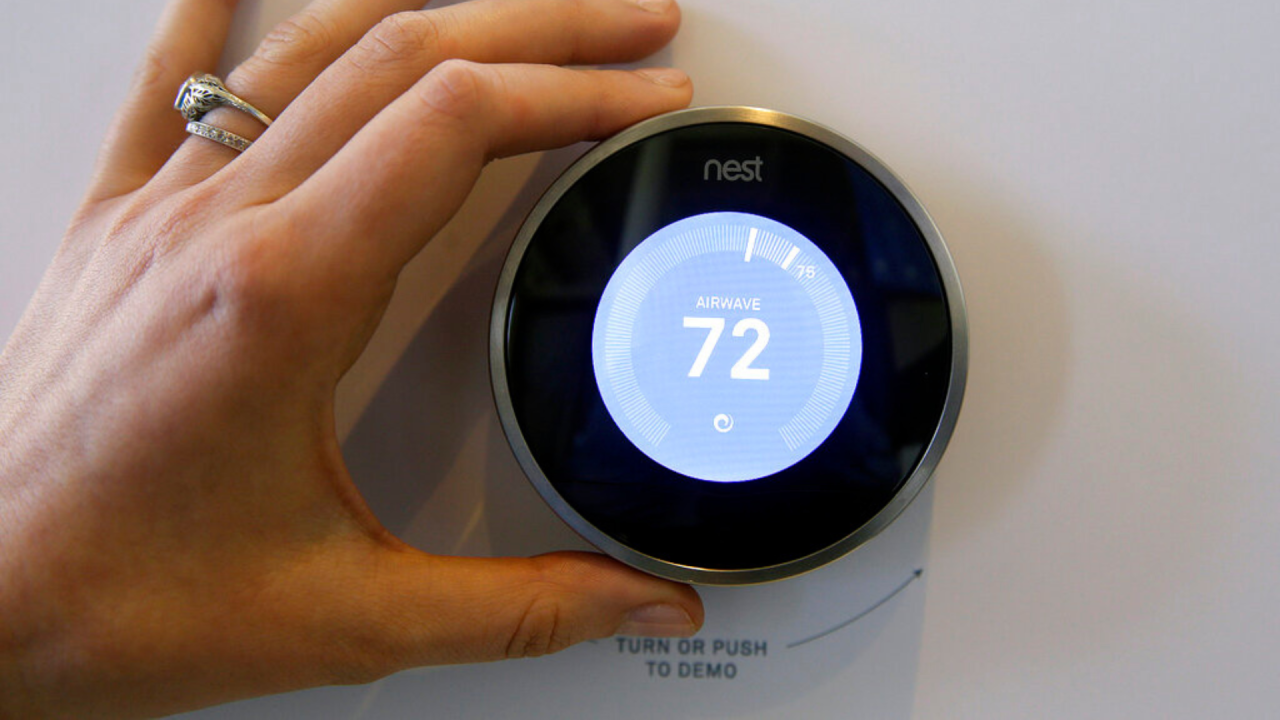
Customers should avoid raising their thermostat by more than two degrees at a time to prevent accidentally turning on their system's auxiliary heating.
WATCH BELOW: Your cold-weather questions answered
Difference between regular heating and auxiliary heating
Auxiliary heating (or "aux heat") is defined as a secondary, automatic heating source used by heat pumps. Many times this is through the use of electric resistance heat strips.
It will kick in when the primary heat pump can no longer extract enough heat from the outside air. This will typically happen when the temperatures drop below 40 degrees or during a rapid temperature adjustment, according to Trane.
Most of South Florida and the Treasure Coast have seen multiple nights of temperatures in the 30s this week, so if you turned on your heat, it may have had to use auxiliary heating to warm your home. Although it is not supposed to get this cold in the next few days, many areas could see temperatures in the 40s multiple nights.
If you need additional time or financial assistance to pay your electric bill, FPL urges you to call 211 for help. To check if you qualify for an extension on your electric bill, use the FPL app or FPL self-service options at 1-800-225-5797.
Click here for more tips on minimizing the impact of cold weather on your energy usage.
