


(CNN) — A Russian-flagged oil tanker reportedly reached Cuba on Monday after US President Donald Trump allowed it to break his administration's fuel blockade of the island nation as its energy crisis deepens.
The Russian transport ministry said the Anatoly Kolodkin — a tanker with nearly 730,000 barrels of oil onboard – had arrived at the Matanzas port in Cuba on Monday, according to Russian state-run news agencies. CNN could not independently verify the ship’s location; data from the ship tracking site MarineTraffic showed it as being just off Cuba on Monday morning.
Dmitry Peskov, the spokesman for Russian President Vladimir Putin also said on Monday the ship had arrived in Cuba. Asked if the US agreed to let the tanker through, Peskov said: "As for the American side, I can only confirm that this issue was indeed raised in advance during contacts with our American counterparts."
Washington has ratcheted up pressure on Cuba in recent months, cutting supplies from its main oil supplier Venezuela and threatening other providers with additional tariffs, as it billed Havana as "an extraordinary threat."
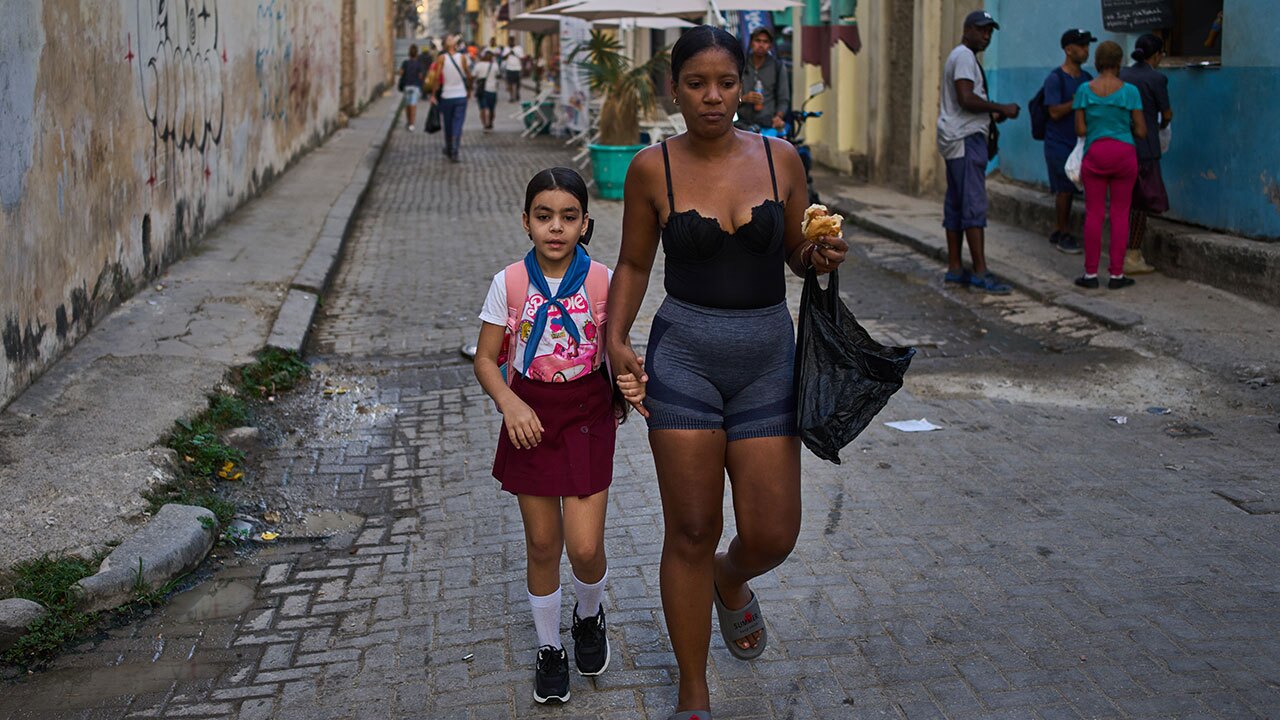
The effective oil blockade has caused blackouts and trash to pile up in the capital, with hospitals struggling to host patients and keep operating theaters open due to the energy crunch.
Speaking aboard Air Force One Sunday, Trump confirmed a tanker was heading towards the Caribbean country.
“We have a tanker out there. We don’t mind having somebody get a boatload, because they have to survive,” he told reporters, when being asked about the vessel.
“If a country wants to send some oil into Cuba right now, I have no problem. I prefer letting it in, whether it’s Russia or anybody else, because the people need heat and cooling and all of the other things that you need,” the president added.
The communist-run island stopped receiving oil from Venezuela, its main supplier, after the United States captured President Nicolás Maduro in January. Shipments from other countries, such as Mexico, were later cut off after the Trump administration threatened to impose additional tariffs on countries that supplied crude directly or indirectly.
The fuel shortage has increased the frequency and lengths of blackouts and led to severe gas shortages, soaring prices, and the deterioration of infrastructure in Cuba. In just the past month, the island has suffered several total power grid collapses that left Havana and other cities in the dark.
The oil shortage has also affected public services and food transportation, prompting rare protests in some cities, with citizens banging pots and pans and lighting bonfires in the darkness.
Last week, the Kremlin said it is in contact with the Cuban government to discuss possible aid options for the island, although it did not mention tankers with fuel en route to Cuba.
On Sunday, Trump dismissed suggestions that letting the tanker through helps Russian President Vladimir Putin.
"He loses one boatload of oil, that’s all it is,” Trump said. “If he wants to do that, and if other countries want to do it, doesn't bother me much."
The-CNN-Wire
™ & © 2026 Cable News Network, Inc., a Warner Bros. Discovery Company. All rights reserved.
