



TALLAHASSEE, Fla. — Florida’s effort to restrict minors from accessing certain social media platforms is back in effect after a federal appeals court lifted an injunction last week, but it remains unclear whether companies are actually following the law.
WATCH FORREST SAUNDERS' COVERAGE BELOW:
The Eleventh Circuit reinstated HB 3, Wednesday, halting a preliminary injunction from a lower court. The 2024 statute prohibits children under 14 from creating social media accounts and requires parental consent for 14- and 15-year-olds. Two of the three judges concluded the law avoids First Amendment violations, calling it a “content-neutral” attempt to regulate addictive platform features.
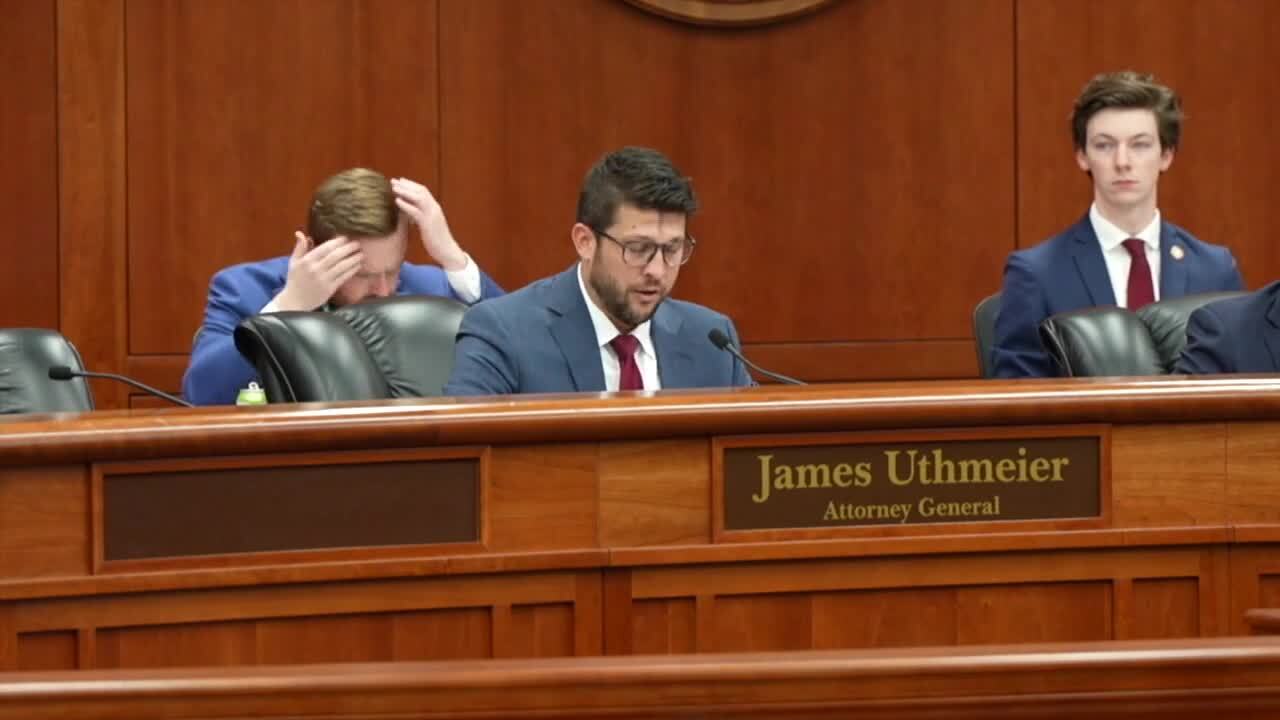
The ruling means Attorney General James Uthmeier can immediately begin enforcement while the lawsuit continues in district court. But in practice, enforcement appears far from uniform. On Monday, we were able to open an Instagram account for a 13-year-old test profile, a step HB 3 is intended to block. Meta did not immediately respond to a request for comment.
Florida House Minority Leader Fentrice Driskell (D-Tampa) said the appeals court ruling is only a temporary step and emphasized that the case still faces a full trial at the lower level. She said she supports tools that help keep kids safe online but warned the state against using HB 3 for political purposes.
“I just hope that the Attorney General and the state of Florida won't now use this law as a political weapon, to go after opponents or go after companies that they don't like, or to pressure companies into bending to the state of Florida's political will,” she said. “That's not the intent of the legislation.”
Former House Speaker Paul Renner, who pushed HB 3 through the legislature during his second year and is now running for governor, championed the law as a critical safeguard for children. He has repeatedly pointed to mental health concerns among teens.
“We have almost a third of high school women who say they contemplated suicide in the last year,” Renner said in September. “So getting young kids, 13, 14, 15, off of these addictive platforms, not off the internet, but things that are designed to capture them and addict them and then monetize them, is unacceptable.”
Attorney General Uthmeier has also taken a hard-line approach. In an interview shortly after taking office, he said he intends to pursue platforms that violate the law.
“If people are not following the law, I am going to go after them,” said Uthmeier. “Yes, and I believe I have a duty to do so. I also think sometimes you have to make an example to show people that this isn't just words on a paper. It means something, and you know, it's going to have to cost them if they want to flout the law and put our young people in danger.”
Tech companies involved in the lawsuit argue the opposite. NetChoice, the trade group representing major platforms, said it was disappointed in the Eleventh Circuit’s ruling and vowed to continue its fight.
“Florida’s censorship regime not only violates its citizens’ free speech rights but also makes all users — especially minors — less safe,” said Paul Taske, Co-Director of the NetChoice Litigation Center.
For now, HB 3 is active but still far from settled law. A full trial in federal court looms, along with new legal battles over constitutionality and enforcement. And with platforms apparently slow to adapt, or choosing not to, a major question remains: Will companies move to comply, or will the state take the first step in forcing the issue?
