

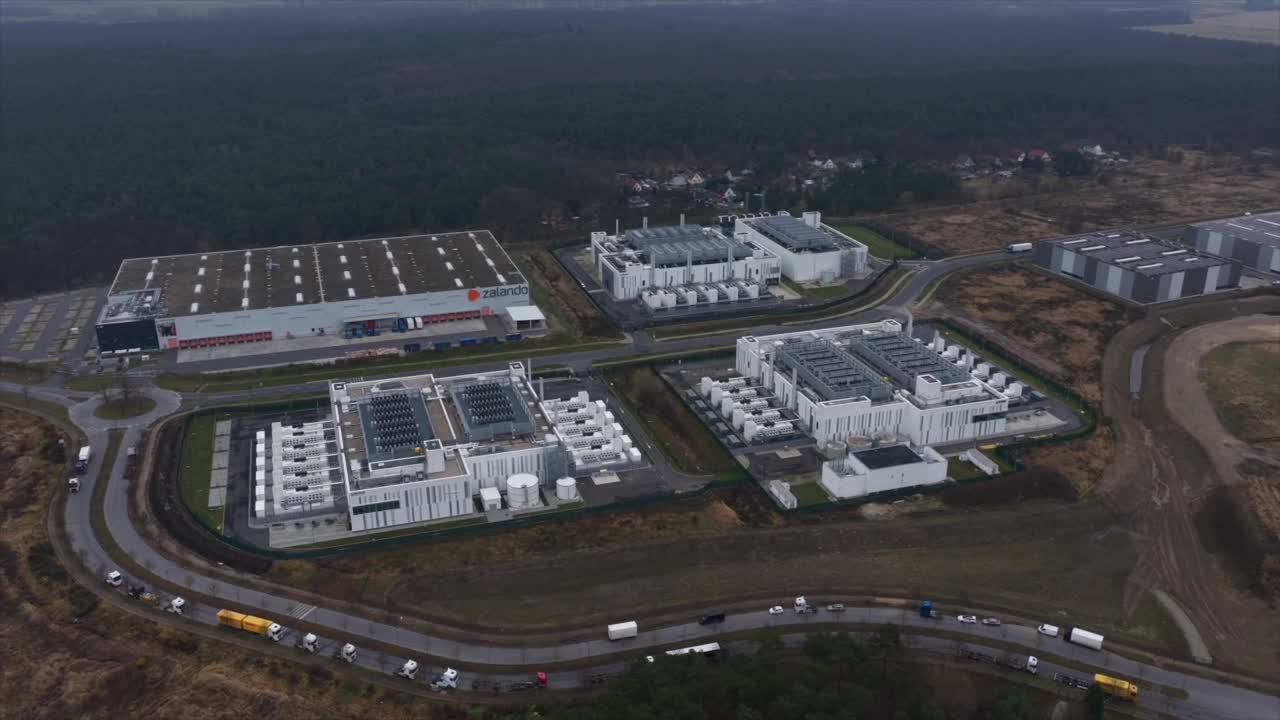


TALLAHASSEE, Fla. — Florida Democrats are turning concerns about data centers into a campaign message, calling for stronger safeguards and construction pauses as new polling shows most Florida adults oppose large facilities in their own communities.
Republicans are emphasizing investment and community input as the debate over the buildings powering artificial intelligence expands from local meetings to the state's biggest campaigns.
Watch more from Forrest Saunders on the report
Democratic U.S. Senate nominee Angie Nixon brought that debate to Fort Meade this week, visiting a traditionally Republican area to hear residents' concerns.
"A lot of people are concerned with the environmental impacts and the health impacts of data centers coming into their neighborhoods," Nixon said.
Nixon wants greater transparency around development decisions, stronger regulations and financial relief from developers if their projects hurt residents economically. She also raised concerns about potential increases in electricity and water bills.
A new Stetson University survey found 54% of Florida adults oppose large data centers in their own communities, compared with 27% who support them.
Democratic governor nominee David Jolly is making the issue part of his campaign, too.
In a campaign video filmed in Northern Virginia, Jolly described concerns about pollution, noise and neighborhood disruption near existing facilities. He renewed his pledge to halt development temporarily in Florida.
"I’ve proposed a one-year moratorium," Jolly said. "My first day in office as governor, I will issue that moratorium."
Democratic legislative candidates also are calling for a pause, tying the issue to their affordability agenda and residents’ ability to influence development decisions.
"They have broken trust with the voters," said Richard Lamondin, the Democratic nominee for Florida Senate District 38, referring to state leaders.
Lamondin argued Tallahassee has weakened residents' ability to have a say in what gets built in their communities.
Republican governor nominee Byron Donalds warned in an August interview that a statewide freeze could push investment elsewhere. He argued that attracting businesses and jobs is part of addressing affordability.
"But you can’t build for your life if you don’t have a high-paying job," Donalds said. "And you’re not going to have a high-paying job if you don’t have companies who invest in your state."
Donalds supports protections for water supplies and utility customers, cooling systems that conserve water and keeping facilities away from homes.
In the Senate race, Republican Sen. Ashley Moody has emphasized local and state decision-making.
"It needs to be up to the people of a community or a state to decide what works best for them," Moody said.
The same Stetson survey shows both Republican nominees leading their Democratic opponents.
Its likely-voter estimates, including undecided respondents who leaned toward a candidate, put Donalds at 51% to Jolly's 39%. Moody received 51% to Nixon's 40%.
Those results do not establish how much data-center policy is influencing candidate preferences.
Stetson surveyed 830 Florida adults through an online, nonprobability panel Sept. 14–21. The university reported margins of error of plus or minus 4 percentage points for the adult results and 4.3 points for its estimates weighted for likely turnout. Election Day is Nov. 3.

Auto glass company salesman pushes questionable windshield replacement at Tampa dealership
A Service Pros Auto Glass salesman said filing an insurance claim would not affect insurance premiums.
