
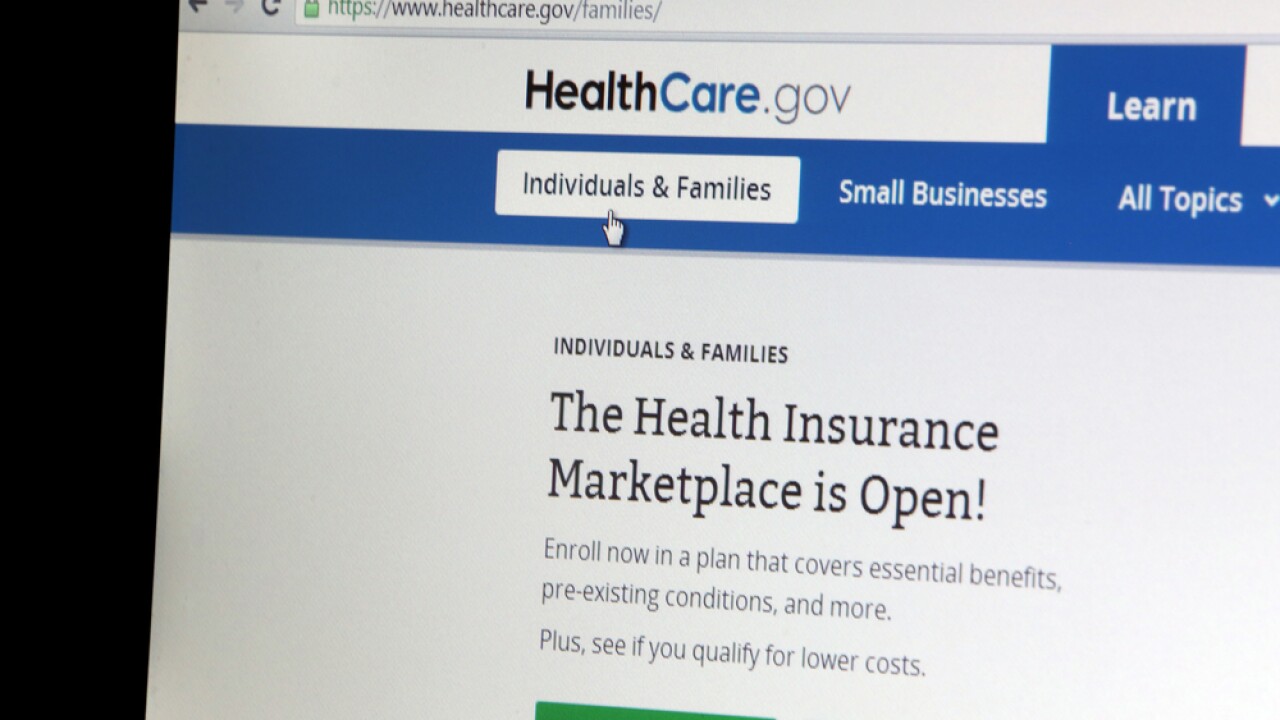


Millions of Americans will face higher healthcare costs starting Jan. 1, 2026, as enhanced Affordable Care Act subsidies expire after Congress failed to extend them.
The subsidies, which were enhanced during the pandemic and later extended, will end after lawmakers could not reach a consensus on an extension or new healthcare policy. Experts predict premium increases for many Americans who purchase insurance through the ACA marketplace.
The Kaiser Family Foundation estimates annual out-of-pocket premium payments for subsidized enrollees will increase by an average of 114%, though the exact amount varies widely depending on individual income, state and other factors.
RELATED STORY | Four Republicans join Democrats to force House vote on extending ACA subsidies
CMS Administrator Dr. Mehmet Oz defended the expiration in an interview with Scripps News this week.
"The program, the Obamacare program, is just gonna go back to the way it was functioning for the first 10 years of its existence," Oz said. "There were additional subsidies beyond the 80% that we pay right now from the federal government. So again, if you're on Obamacare, eight out of 10 dollars is paid by the federal government. You're only paying 20% of the money."
Oz said the COVID-era subsidies were designed as temporary relief.
"The COVID era crisis catalyzed action by Congress for a short-term period just for a couple years to cover the gap just so people can get back on their feet again," Oz said. "I think we all agree that the COVID pandemic is over. If you are gonna get back on, they should get back on their feet and so not extending the subsidies beyond what they originally designed to do is wise."
As the subsidies expire, President Donald Trump has blamed Democrats and criticized Obamacare as what he has called a disaster. He says he wants to give money directly to Americans to buy their own healthcare, though he has not offered specific details on how that would work.
Trump says he wants to meet with health insurance companies in the new year about cutting rates.
The Blue Cross Blue Shield Association said in part, "We are eager to drive solutions with President Trump and Congress that bring down the cost of healthcare."
Trump described his goals for such meetings last week.
"I want to meet with them and I want to say I want you to cut your rates way down, way way down and maybe if they do that we'll be able to not cut them out," Trump said. "We'll be able to continue to deal with them, which is probably a little easier process. I think the best process is paying the money directly to the people, let them buy their own healthcare."
RELATED STORY | How a new $50 billion CMS program plans to transform rural health care in all 50 states
Democrats are blaming Republicans for the subsidy expiration. Senate Democratic Leader Chuck Schumer blamed what he called Republican obstruction and inaction for what he describes as a healthcare crisis.
"Millions of hard-working families, small business owners and employees, older Americans and farmers and ranchers will face impossible choices," Schumer said in part. "Senate Republicans had multiple chances to work with Democrats to stop premiums from skyrocketing and every time they blocked action."
Several House Republicans joined Democrats in signing a discharge petition to try to force a vote on extending the subsidies. That vote is likely not to be taken up until January.
Healthcare costs are expected to be a major topic when the president and lawmakers return to Washington D.C. in the new year.
